
Blog
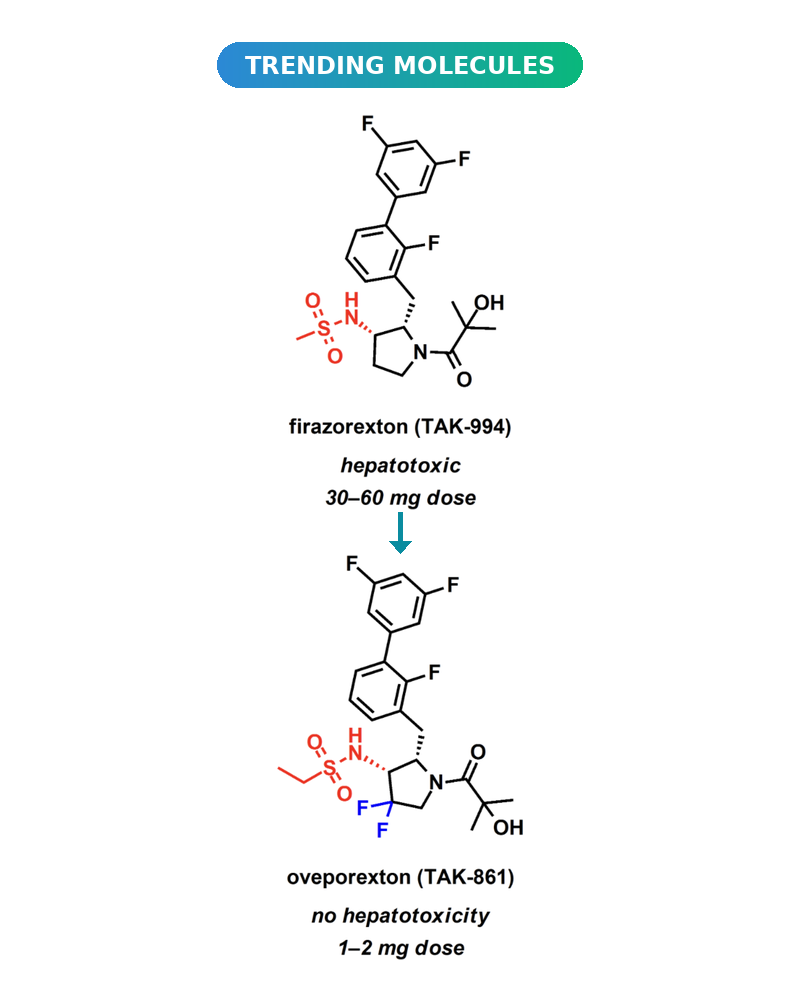
Oveporexton (TAK-861): A First-in-Class Orexin Agonist for Narcolepsy Type 1 and Its ChemAIRS® Retrosynthesis
Retrosynthetic analysis of oveporexton (TAK-861), the first-in-class OX2R agonist for narcolepsy type 1, now under FDA Priority Review, planned with ChemAIRS®.
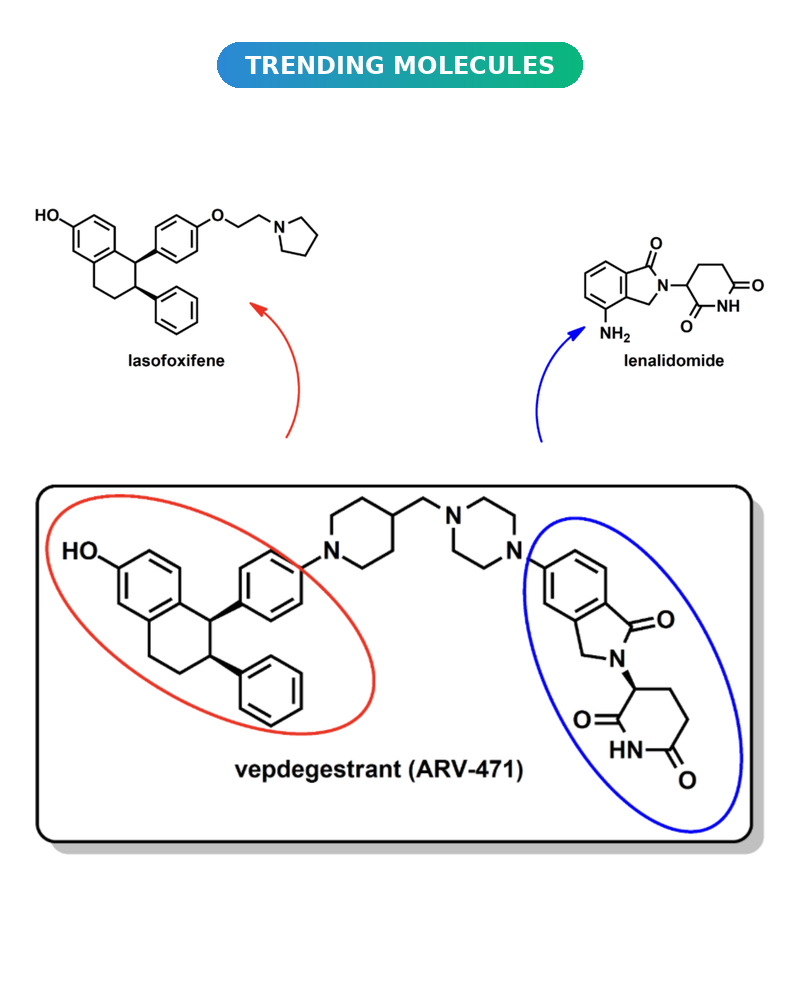
Synthesis of Vepdegestrant (ARV-471): ChemAIRS® Route Design for the First Approved PROTAC
Synthesis of vepdegestrant (ARV-471): ChemAIRS® retrosynthetic analysis of the first FDA-approved PROTAC degrader for ESR1-mutated breast cancer.
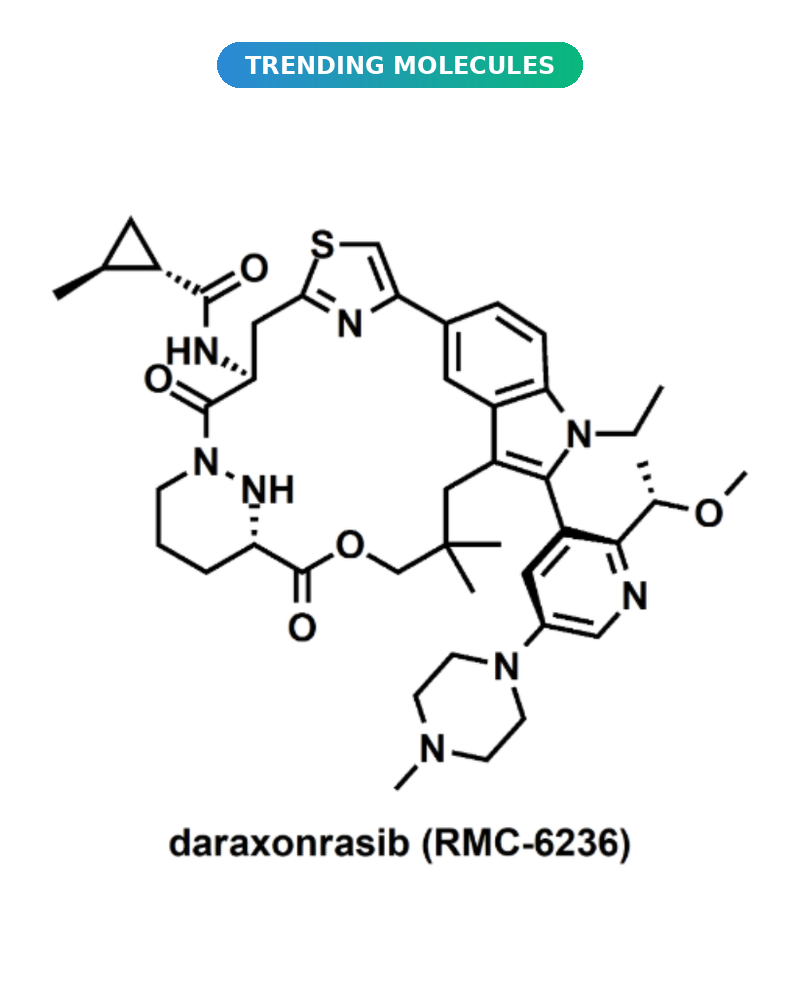
Synthesis of Daraxonrasib (RMC-6236): ChemAIRS® Retrosynthetic Analysis Behind the FDA-Accepted RAS(ON) Inhibitor
Synthesis of daraxonrasib (RMC-6236): ChemAIRS® proposes discovery and process routes for the RAS(ON) inhibitor now under FDA review.
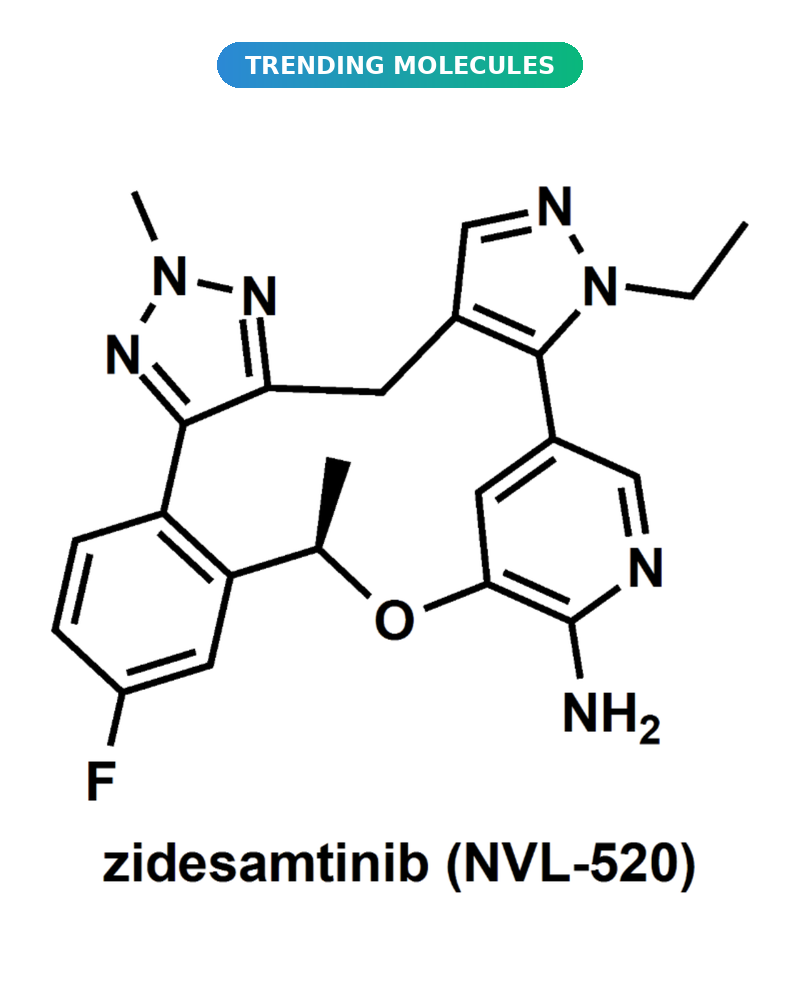
ChemAIRS®-Proposed Synthesis of Zidesamtinib (NVL-520), the Newly Approved TRK-Sparing ROS1 Inhibitor
ChemAIRS-proposed synthesis of zidesamtinib (NVL-520): two routes to the macrocyclic ROS1 inhibitor just approved for previously treated ROS1+ NSCLC.
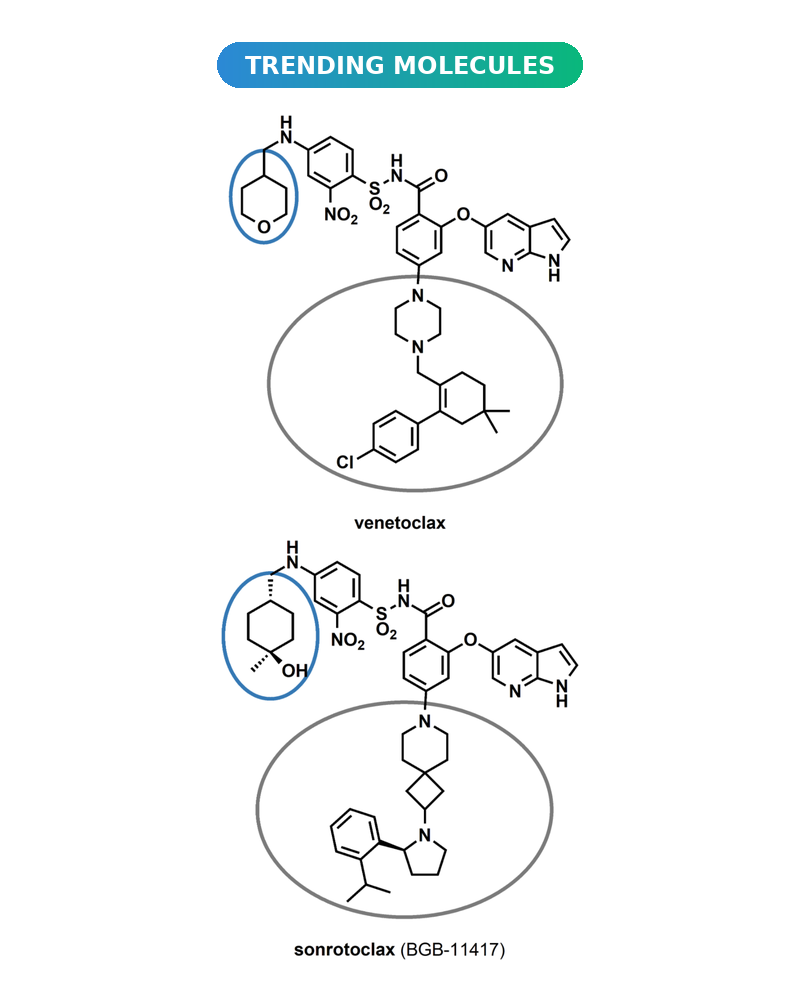
ChemAIRS®-Proposed Synthesis of Sonrotoclax (BGB-11417): From Nine Steps to Four, With Late-Stage Head Group Installation
ChemAIRS® generated a route to sonrotoclax (BGB-11417) that cuts the disclosed synthesis from nine steps to four, by installing the P2 head group last instead of carrying it through the whole sequence.

Empowering Radical Cross-Coupling Chemistry through AI-Driven Retrosynthesis and Real-World Validation.
This article explores how radical cross-coupling chemistry and AI-driven retrosynthesis are converging to reshape modern synthesis. By examining case studies from Baran-lab RCC methods and evaluating ChemAIRS® route-planning performance, we show how AI is increasingly capable of recognizing, ranking, and proposing radical disconnections with expert-level intuition. Combined with new hydrazide-based redox-free RCC protocols and commercially available sulfonyl hydrazides, this integration is transforming radical chemistry from a specialized technique into a practical, accessible tool for medicinal chemists.
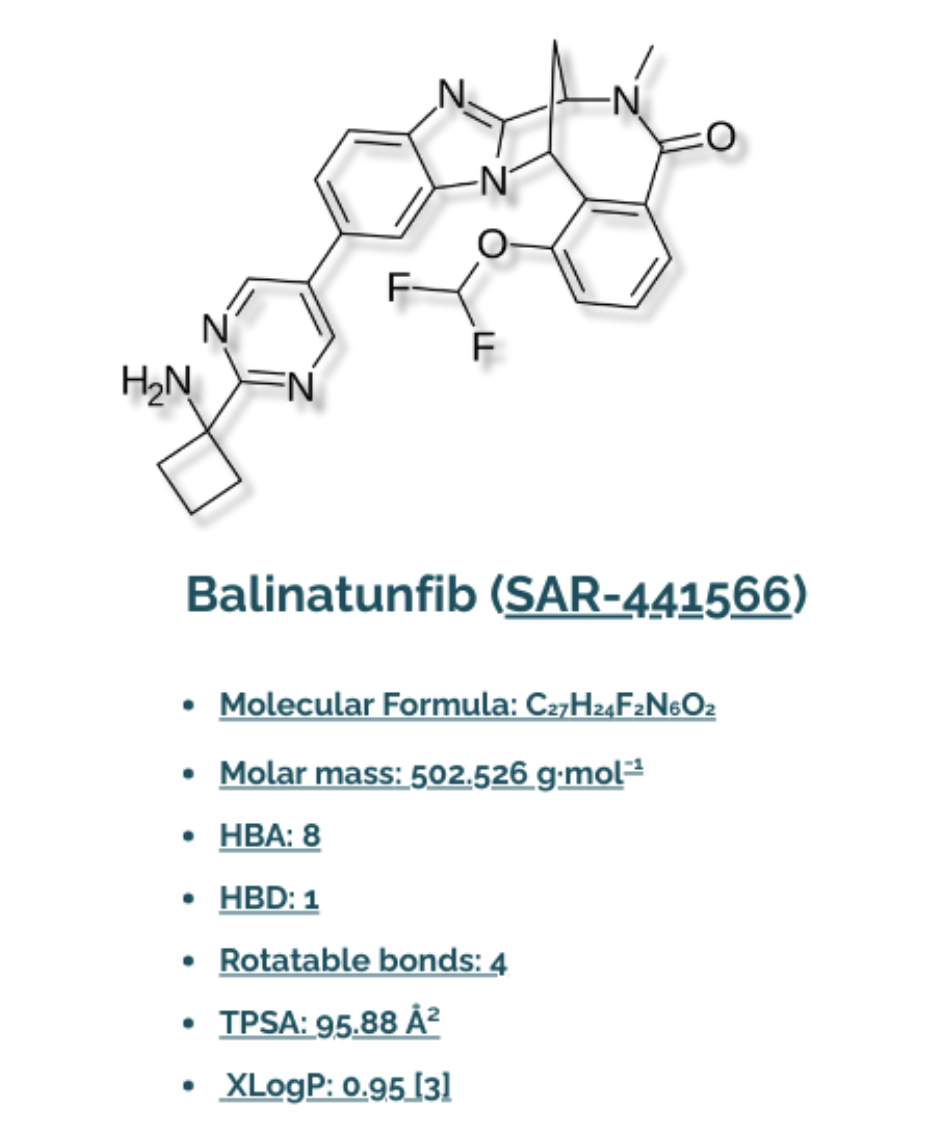
Human–AI Synergy in Retrosynthetic Analysis and Route Optimization of Balinatunfib
Discover how AI-driven retrosynthesis and human expertise converge in the development of Balinatunfib (SAR-441566), a first-in-class small-molecule TNF-α inhibitor. Learn about its unique allosteric mechanism, clinical progress, and how ChemAIRS revolutionizes route optimization, enabling cost-effective and scalable synthesis in modern drug discovery.