
ChemAIRS®-Proposed Synthesis of Zidesamtinib (NVL-520), the Newly Approved TRK-Sparing ROS1 Inhibitor
Zidesamtinib (NVL-520) FDA Approval: ROS1-Positive NSCLC Treatment
Zidesamtinib (NVL-520), a TRK-sparing ROS1 inhibitor, received FDA approval on July 22, 2026, for adults with locally advanced or metastatic ROS1-positive non-small cell lung cancer who have received at least one prior ROS1 tyrosine kinase inhibitor (Figure 1) [1]. The approval arrived seven days after GSK completed its acquisition of Nuvalent, the company that discovered the molecule, in a transaction valuing Nuvalent's equity at approximately $10.6 billion [2].
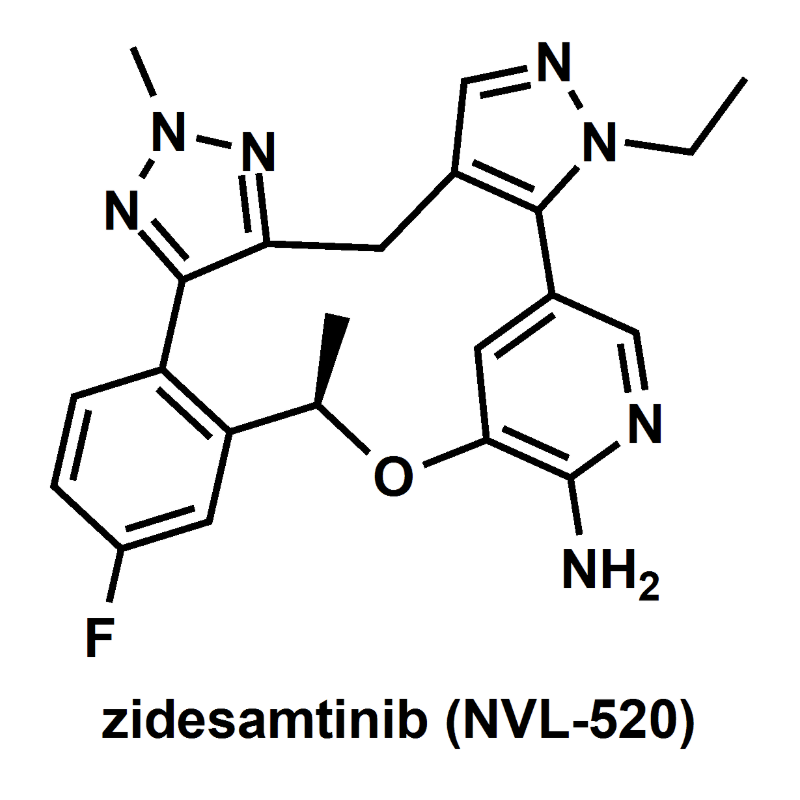
Figure 1 Chemical structure of zidesamtinib (NVL-520)
Why ROS1 Needed Another Inhibitor
ROS1 rearrangements account for only 1% to 2% of NSCLC diagnoses, and crizotinib and entrectinib both perform well at first. Three failure modes then recur:
Kinase-domain point mutations appear in 38% to 53% of patients progressing on crizotinib, dominated by the solvent-front substitution G2032R.
The CNS is the sole site of progression in 47% of patients.
Later agents that do cover G2032R also inhibit TRK, the tropomyosin-related kinase family of TRKA, TRKB, and TRKC [3].
TRKB is the receptor for brain-derived neurotrophic factor, and blocking it in the CNS produces the dizziness, cognitive disturbance, and neuropathic pain that can constrain dosing. Zidesamtinib was designed against all three problems at once [4].
Zidesamtinib Synthesis Route: ChemAIRS® Retrosynthesis Analysis
ChemAIRS® proposed multiple different routes for the synthesis of zidesamtinib, one of which closely follows the synthesis of a related analog reported by Nuvalent (intermediate 10a, Scheme 1) [5].

Scheme 1 ChemAIRS®-designed synthesis of zidesamtinib (NVL-520) mirroring a known route
Starting from the commercially available diiodotriazole 1b, the major fragments of zidesamtinib are assembled into key intermediate 7a over a five-step linear sequence. The single stereocenter in zidesamtinib is already set in the commercially available chiral benzylic alcohol 4a, which is first converted into the cyclic boronic acid 5a before a Suzuki cross-coupling reaction is utilized to install this motif. From 7a, a sequence of nitro reduction, macrocyclization via intramolecular Mizoroki–Heck coupling and SEM deprotection provides 10a. ChemAIRS® then proposed a final methylation reaction, utilizing methyl tosylate (10b), to complete the synthesis of the target.
Among the other routes suggested by ChemAIRS®, one in particular stands out (Scheme 2). This route proposes the synthesis of zidesamtinib following an eight-step sequence with a longest linear sequence of six steps, and nearly every intermediate along the way is an unreported compound that the proposed chemistry could plausibly deliver.
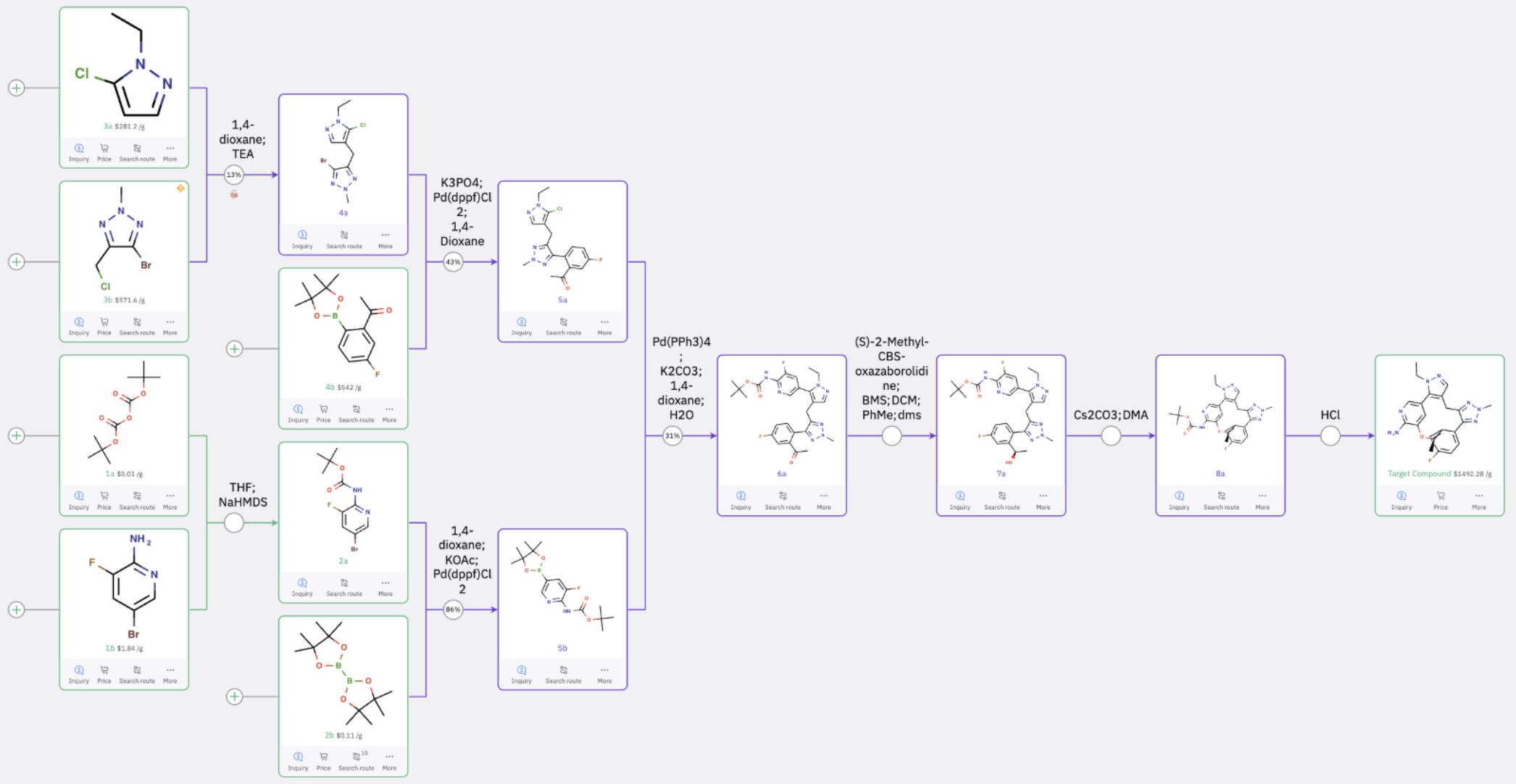
Scheme 2 An eight-step synthesis of zidesamtinib (NVL-520) proposed by ChemAIRS®
The route begins with the commercially available heterocycles 3a and 3b, which could be coupled through a microwave-assisted vicarious nucleophilic substitution reaction to furnish intermediate 4a. Two successive Suzuki–Miyaura cross-coupling reactions could introduce the fluorobenzene (4b) and protected 2-aminopyridine fragments (5b), furnishing key intermediate 6a. Fragment 5b could be prepared in two steps starting from commercially available 2-aminopyridine derivative 1b.
The single stereocenter in the target could be introduced by CBS reduction of 6a to afford chiral alcohol 7a, then an intramolecular nucleophilic aromatic substitution reaction is proposed to close the macrocycle. A final Boc deprotection of 8a furnishes the target. Analyzing the final step using ChemAIRS®’ Condition Search tool and filtering for potential risks, such as the potentially sensitive macrocyclic ether linkage and aryl fluoride, allows the identification of backup conditions for this reaction that could be screened if necessary (Figure 2).
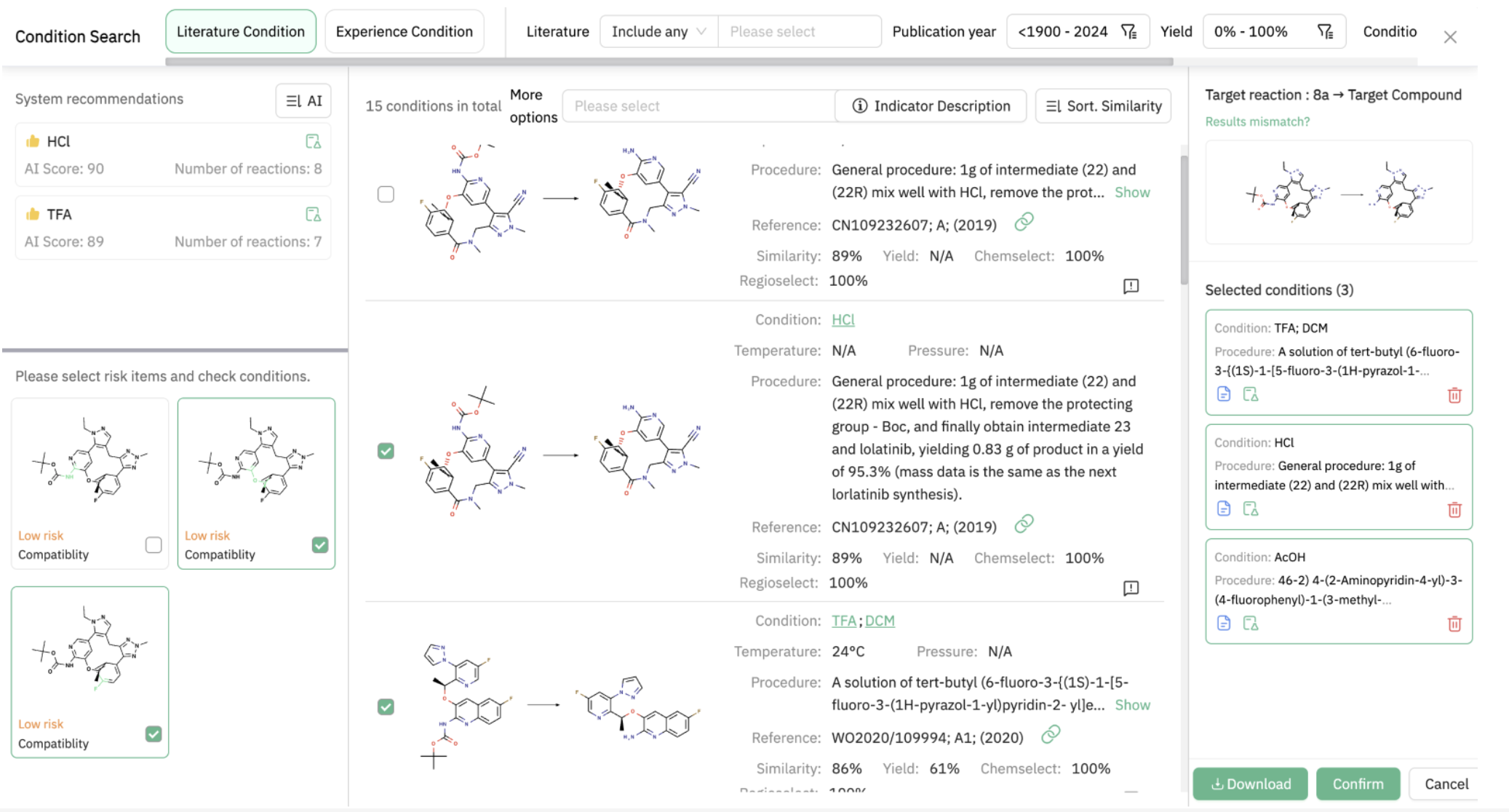
Figure 2 Evaluating the final deprotection reaction in the ChemAIRS®-inspired synthesis of zidesamtinib (NVL-520) with Condition Search
Anticipating potential impurities, particularly in reactions with no direct precedent, is a crucial part of experimental design. Analyzing the macrocyclization reaction of 7a with ChemAIRS®’ Impurity Prediction tool correctly identified one of the most likely impurities that could be formed in this step, namely the product of intermolecular coupling between two equivalents of starting material (Figure 3). Identifying this possible side product informs the design of this experiment: intramolecular reaction should be favoured by running the reaction at high dilution in the indicated solvent.

Figure 3 Analysis of the macrocyclization reaction in the ChemAIRS®-inspired synthesis of zidesamtinib using Impurity Prediction
What Is ChemAIRS®? AI-Powered Retrosynthesis Platform
ChemAIRS® is a computer-aided synthesis planning (CASP) platform that proposes retrosynthetic routes to existing and novel molecules, ranking them by feasibility and by access to readily available building blocks. Its Retrosynthesis module combines machine learning with encoded chemical logic, and every step remains open to interrogation, so chemists can troubleshoot a disconnection or explore alternative methodology rather than accept a route as given. The platform is built to extend a chemist's strategic reach, not to substitute for it.
An Eight-Step Synthesis of Zidesamtinib with a Transition Metal-Free Endgame
The headline is the second route: eight steps with a longest linear sequence of six, and a close that sets the stereocenter, forms the macrocycle, and unmasks the amine all without a transition metal. Nearly every intermediate is a compound that has not been made, which means the platform designed the sequence rather than retrieved it.
What makes that usable is the analysis that followed it. Condition Search returned backup conditions for the final deprotection, filtered against the liabilities this particular substrate carries. Impurity Prediction identified the intermolecular dimer as the competing product of the macrocyclization, which is the call an experienced chemist makes from instinct and then designs around by running the reaction dilute.
The first route earns its place for the opposite reason: reproducing a reported sequence step for step is how you check that the tool is anchored in real chemistry, and carrying it one step past where Nuvalent's own scheme stops is how you check it can do something with that anchoring. Generating complete alternative sequences in hours rather than weeks is the difference between choosing a route and inheriting one.
Curious what ChemAIRS® Retrosynthesis can do for your chemistry?
References
FDA approves zidesamtinib for ROS1-positive non-small cell lung cancer. U.S. Food and Drug Administration. Updated July 24, 2026. Accessed July 27, 2026. https://www.fda.gov/drugs/resources-information-approved-drugs/fda-approves-zidesamtinib-ros1-positive-non-small-cell-lung-cancer
GSK completes acquisition of Nuvalent, Inc. Press release. GSK plc. July 15, 2026. Accessed July 27, 2026. https://www.gsk.com/en-gb/media/press-releases/gsk-completes-acquisition-of-nuvalent-inc/
Desilets A, Repetto M, Yang S-R, Drilon A. Targeting ROS1 rearrangements in non–small cell lung cancer: current insights and future directions. Cancer. 2025;131(suppl 1):e35784. https://doi.org/10.1002/cncr.35784
Drilon A, Horan JC, Tangpeerachaikul A, et al. NVL-520 is a selective, TRK-sparing, and brain-penetrant inhibitor of ROS1 fusions and secondary resistance mutations. Cancer Discov. 2023;13(3):598-615. https://doi.org/10.1158/2159-8290.CD-22-0968
Horan JC, Soglia JR, inventors; Nuvalent, Inc., assignee. Heteroaromatic macrocyclic ether compounds. International patent WO 2024/036098 A1. February 15, 2024.