
Blog
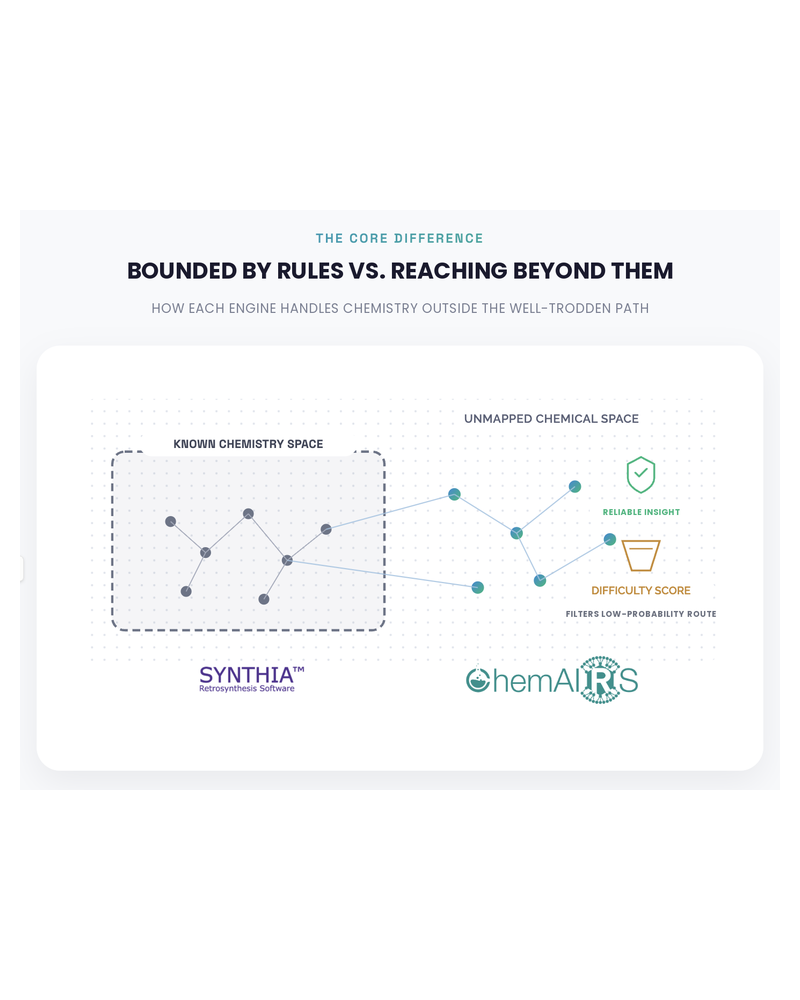
ChemAIRS® vs SYNTHIA®
Compare ChemAIRS® and SYNTHIA® for retrosynthesis: rule-based vs machine learning approaches, use cases by role, and how to choose the right fit.
ChemAIRS® vs Reaxys® vs SYNTHIA®
Compare ChemAIRS®, Reaxys®, and SYNTHIA® for computer-aided synthesis planning: what each tool does, where they overlap, and how to choose.
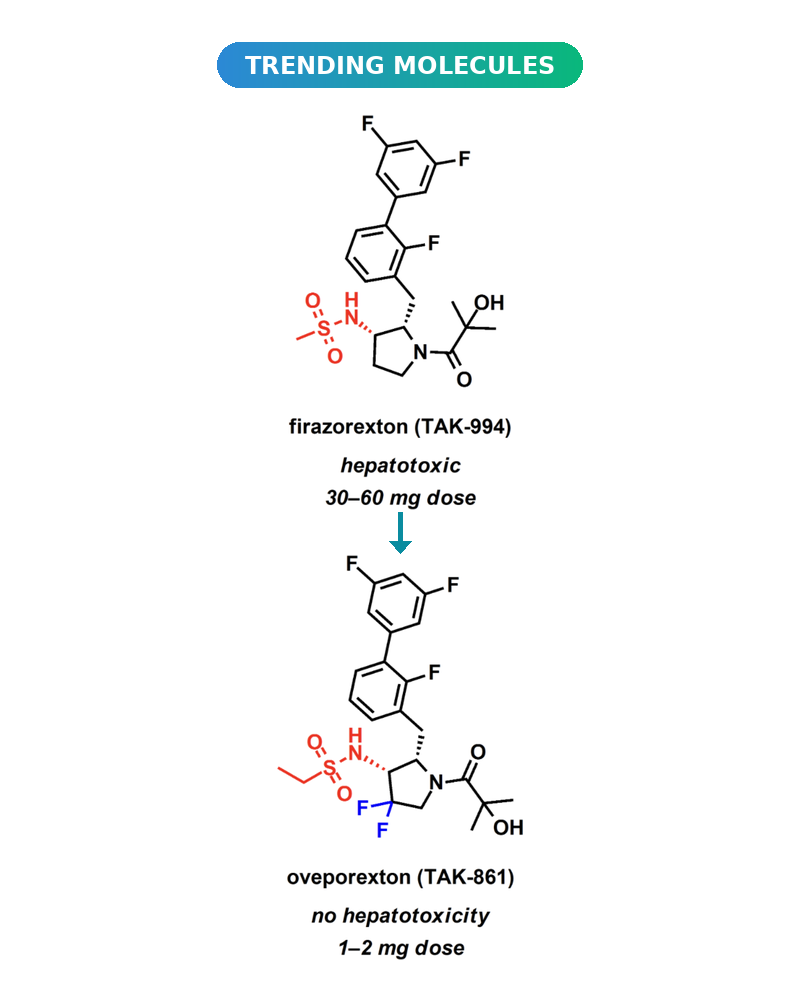
Oveporexton (TAK-861): A First-in-Class Orexin Agonist for Narcolepsy Type 1 and Its ChemAIRS® Retrosynthesis
Retrosynthetic analysis of oveporexton (TAK-861), the first-in-class OX2R agonist for narcolepsy type 1, now under FDA Priority Review, planned with ChemAIRS®.
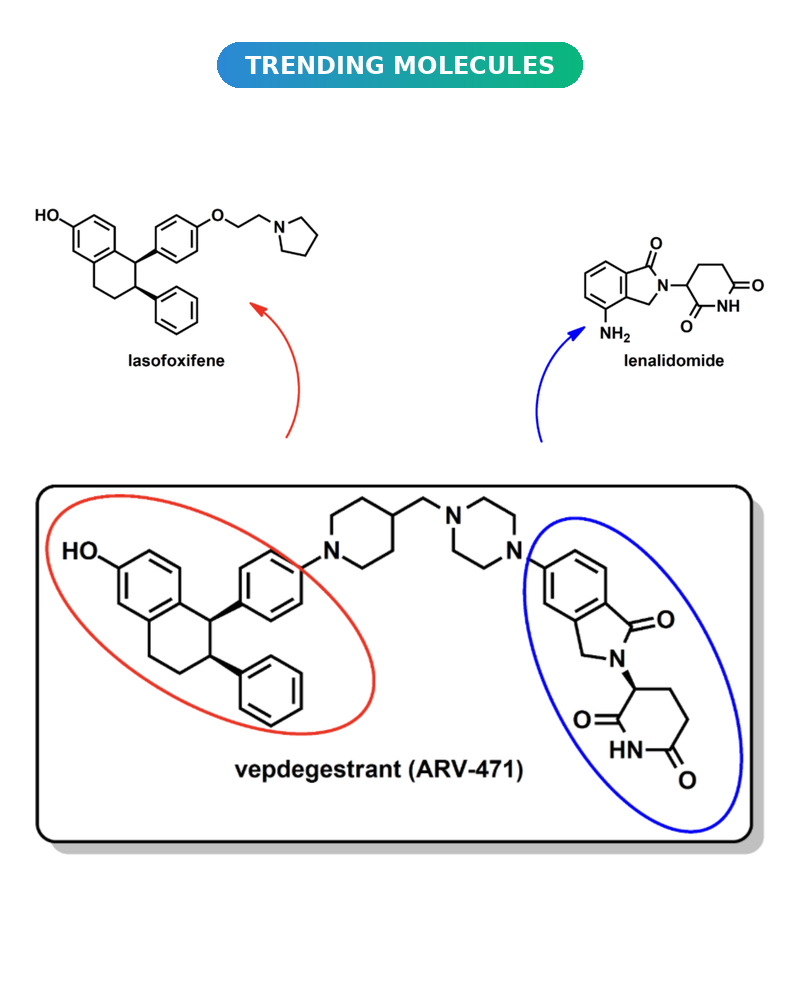
Synthesis of Vepdegestrant (ARV-471): ChemAIRS® Route Design for the First Approved PROTAC
Synthesis of vepdegestrant (ARV-471): ChemAIRS® retrosynthetic analysis of the first FDA-approved PROTAC degrader for ESR1-mutated breast cancer.
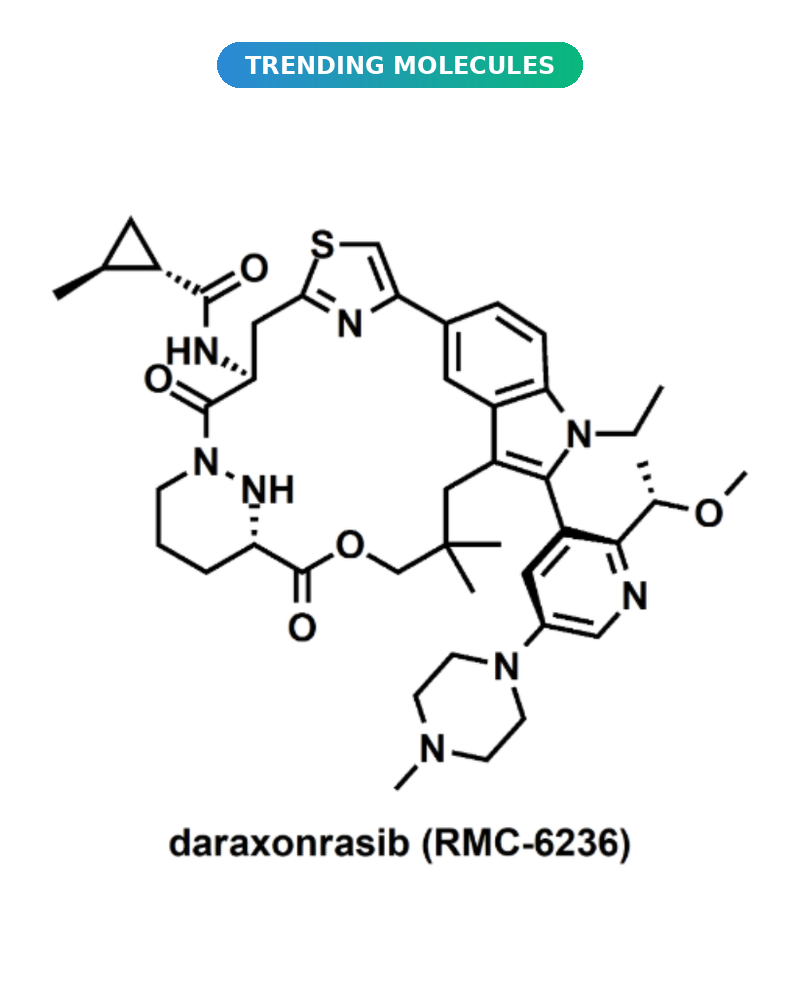
Synthesis of Daraxonrasib (RMC-6236): ChemAIRS® Retrosynthetic Analysis Behind the FDA-Approved RAS(ON) Inhibitor
Synthesis of daraxonrasib (RMC-6236): ChemAIRS® proposes discovery and process routes for the RAS(ON) inhibitor now under FDA review.
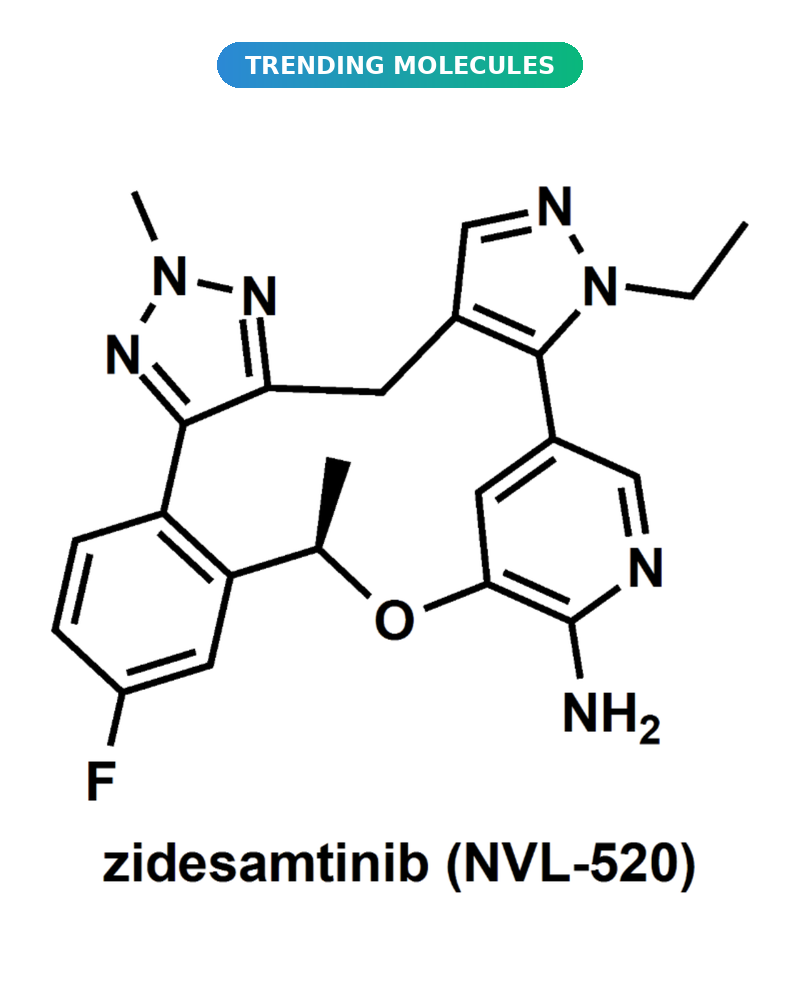
ChemAIRS®-Proposed Synthesis of Zidesamtinib (NVL-520), the Newly Approved TRK-Sparing ROS1 Inhibitor
ChemAIRS-proposed synthesis of zidesamtinib (NVL-520): two routes to the macrocyclic ROS1 inhibitor just approved for previously treated ROS1+ NSCLC.
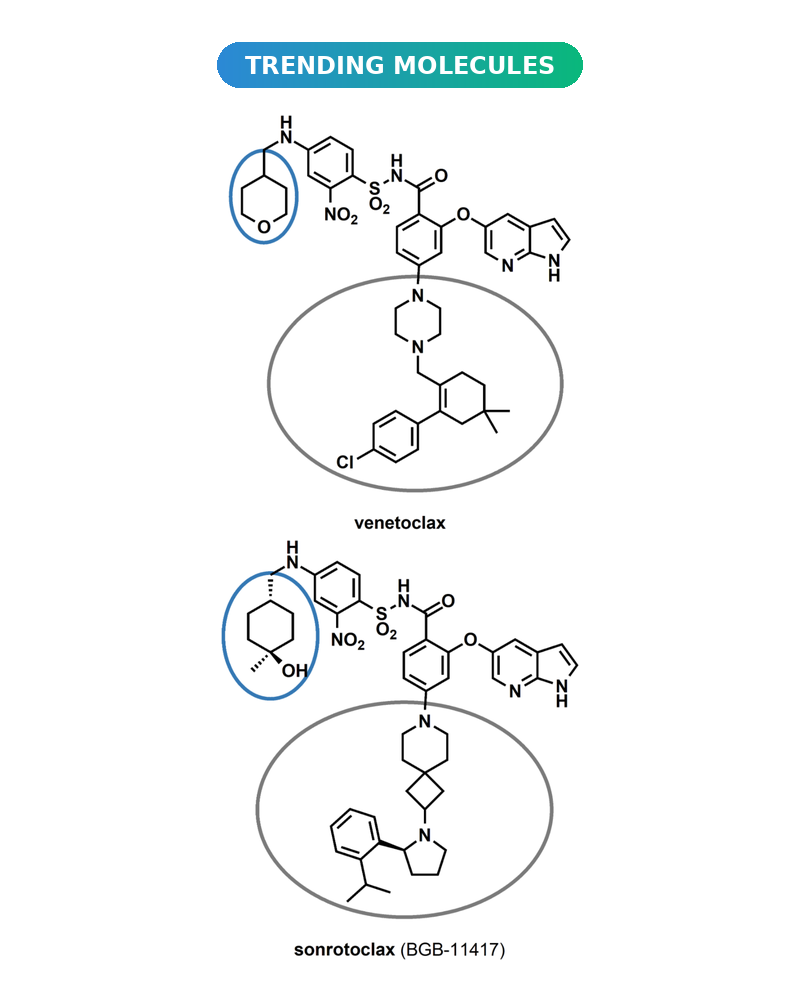
ChemAIRS®-Proposed Synthesis of Sonrotoclax (BGB-11417): From Nine Steps to Four, With Late-Stage Head Group Installation
ChemAIRS® generated a route to sonrotoclax (BGB-11417) that cuts the disclosed synthesis from nine steps to four, by installing the P2 head group last instead of carrying it through the whole sequence.
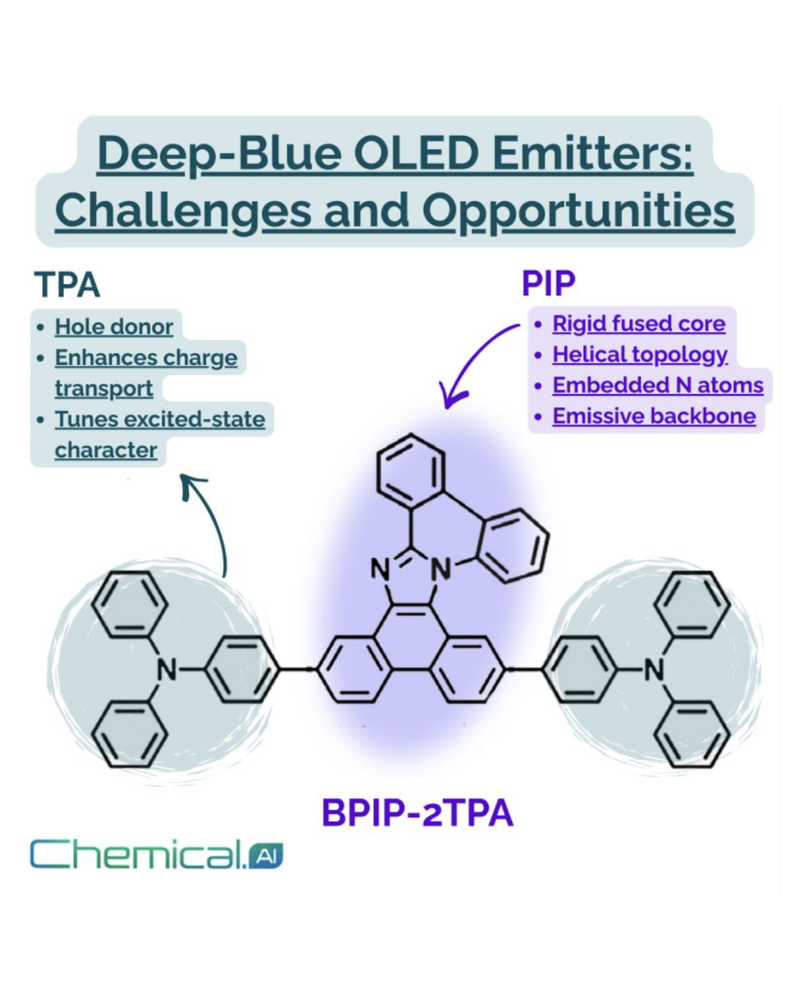
Exploring Synthetic Pathways for Deep-Blue OLED Emitters Using ChemAIRS
Deep-blue OLED emitters remain one of the most difficult materials to optimize due to efficiency roll-off, exciton loss, and limited device lifetime. In this post, we explore how regional isomerization of a rigid PIP (phenanthroimidazo[1,2-f]phenanthridine) core enables precise control of excited-state dynamics in high-performance deep-blue OLED materials. Using ChemAIRS retrosynthesis, we further examine how molecular design choices translate into multiple viable synthetic pathways, bridging excited-state engineering with practical synthesis planning for next-generation OLED emitters.